AAWDI Family Farmers For Food Sufficiency Initiative
implementing smart agricultural practices, develop advanced storage and processing systems, and create a robust framework for disaster relief across Nigeria.
AAWDI Family Farmers For Food Sufficiency Initiative
implementing smart agricultural practices, develop advanced storage and processing systems, and create a robust framework for disaster relief across Nigeria.
AAWDI Family Farmers For Food Sufficiency Initiative
implementing smart agricultural practices, develop advanced storage and processing systems, and create a robust framework for disaster relief across Nigeria.

About AFFFSI

This initiative, spearheaded by the AAWDI Family Farmers for Sufficiency Initiative (AFFFSI), aims to implement smart agricultural practices, develop advanced storage and processing systems, and create a robust framework for disaster relief across Nigeria. AFFFSI’s leadership in sustainable agricultural development and community-driven projects positions it as the key driver for transforming food systems, addressing food insecurity, and supporting wealth creation, particularly in vulnerable regions affected by disasters such as floods, terrorism, famine, and communal conflicts.

Vision

AAWDI Family Farmers for Sufficiency Initiative (AFFFSI), aims to implement smart agricultural practices, develop advanced storage and processing systems, and create a robust framework for disaster relief across Nigeria. AAWDI’s leadership in sustainable agricultural development and community-driven projects positions it as the key driver for transforming food systems, addressing food insecurity, and supporting wealth creation, particularly in vulnerable regions affected by disasters such as floods, terrorism,
famine, and communal conflicts.

Objectives

1. To establish efficient irrigation systems in all states.

2. To create year-round cropping opportunities, reducing seasonal
dependency.

3. Foster Community Resilience: Strengthen local capacity through
cooperatives, training, and resources sharing.

4. Develop Strategic Food Reserves: Provide timely and adequate relief to disaster-affected populations.

5. Implement Smart Agricultural Systems: Leverage technology to
optimize productivity and sustainability.

6. Establish Advanced Storage and Processing Infrastructure:
Minimize post-harvest losses and enhance food value chains.

7. Create Wealth and Economic Opportunities: Empower communities through training, agribusiness ventures, and inclusive
participation.

8. To attract local and international investment into Nigeria’s agricultural sector, specifically targeting ventures that increase export capacity and foreign exchange earnings.

Key Components of the Project

Technologies:
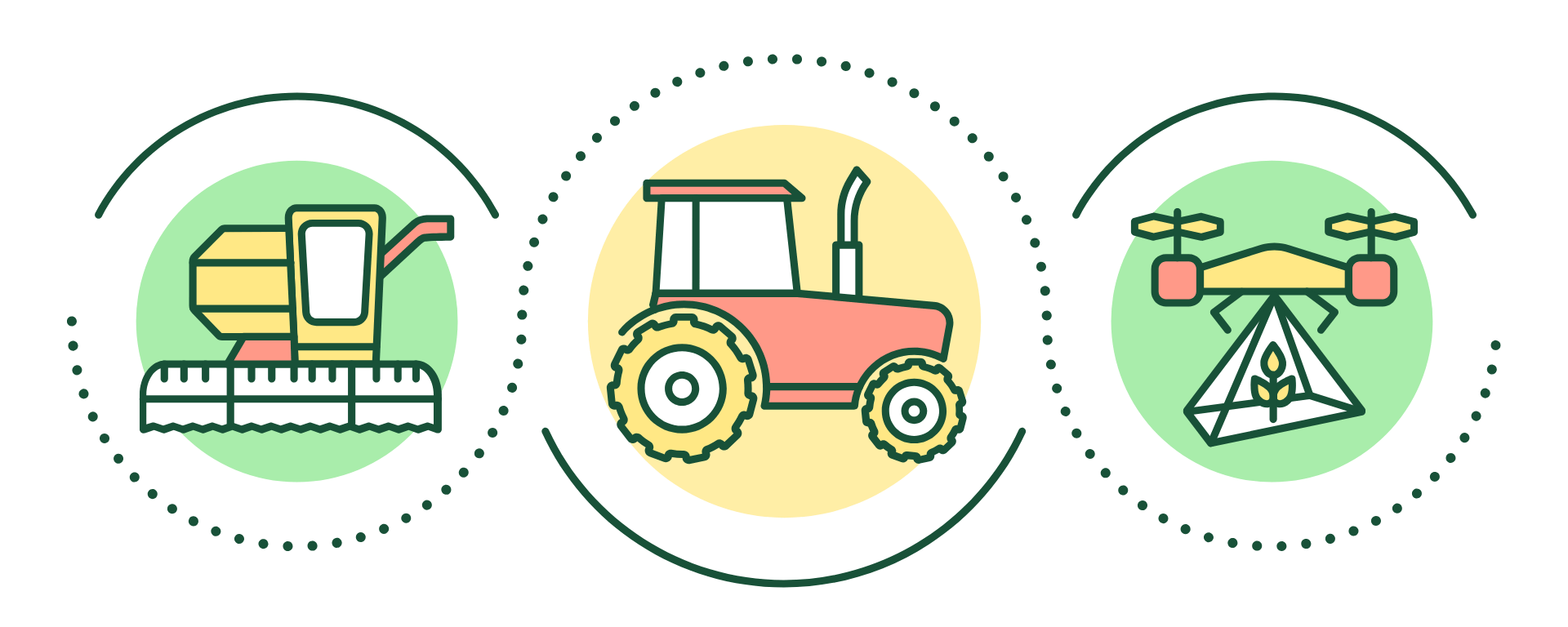
• Precision agriculture using GPS mapping, drones, and sensors.
• Hydroponics, aquaponics, and climate-smart practices.
• Resilient seed varieties tailored to regional challenges.
• Leveraging our specially developed smart agricultural solution mobile
application.

Training:
• AAWDI to train 3.7 million youths and farmers annually on sustainable
practices using our specially developed smart agricultural solution app.
• Workshops on integrated farming, resource-efficient methods, and
agroforestry.

Facilities:
• Climate-controlled silos and cold storage hubs.
• Community-level warehouses for local produce aggregation.

Technology Integration:
• AAWDI’s digital platforms to manage inventory and ensure traceability.

Processing Units:
• Establish AAWDI-managed processing hubs for cereals, vegetables, and
livestock products.
• Focus on high-nutrition, long-shelf-life products for disaster relief.

Branding and Marketing:
• Develop market-ready packaging and distribution networks to enhance
competitiveness.

Strategic Food Reserves:
• AAWDI to establish buffer stocks in disaster-prone regions.
• Collaboration with humanitarian organizations for supply chain
optimization.

Distribution Networks:
• Leverage AAWDI’s logistics partnerships to deliver relief efficiently.

Cooperatives and Agribusiness:

• Strengthen AAWDI cooperative networks for collective resource
management.
• Promote inclusive opportunities for women and youth in processing,
storage, and farming.

Urban and Peri-Urban Farming Initiatives:
• Develop community gardens and rooftop farming projects under AAWDI
guidance.


  • AAWDI is dedicated to positioning our local agricultural sector as a competitive player in international trade. 
 
  • Through rigorous training on quality control, certifications, and export compliance, we empower our farmers to look beyond local borders. 
 
  • We don’t just grow food; we grow economies by exporting the best of our harvest to the world.